
AI, libraries, and learner readiness: A curated roundtable at University of Southampton Delhi
The University of Southampton Delhi Library recently hosted a curated roundtable exploring one of the most pressing questions facing education today: how is artificial intelligence reshaping libraries, and how can we prepare learners for an evolving world of work? Titled “AI, Libraries, and Learner Readiness”, the session brought together leaders and emerging professionals from across academic, […]
The University of Southampton Delhi Library recently hosted a curated roundtable exploring one of the most pressing questions facing education today: how is artificial intelligence reshaping libraries, and how can we prepare learners for an evolving world of work?
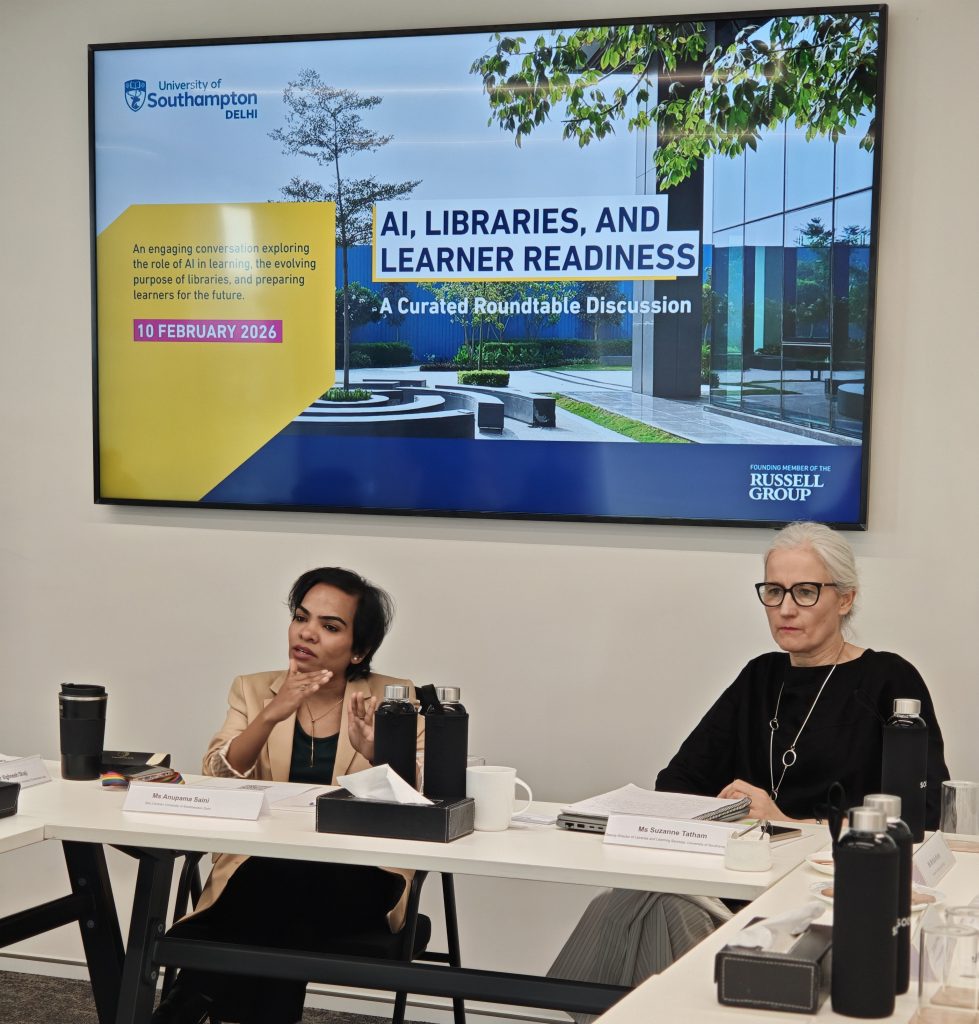
Titled “AI, Libraries, and Learner Readiness”, the session brought together leaders and emerging professionals from across academic, cultural and community institutions. The diversity of voices in the room reflected the breadth of impact AI is having across sectors.
Delegates joined from Ashoka University, Aligarh Muslim University, Rashtrapati Bhawan, BML Munjal University, The Community Library Project and Goethe-Institut / Max Mueller Bhawan. This cross institutional representation enabled a rich exchange of perspectives, from large academic research environments to community focused library initiatives.
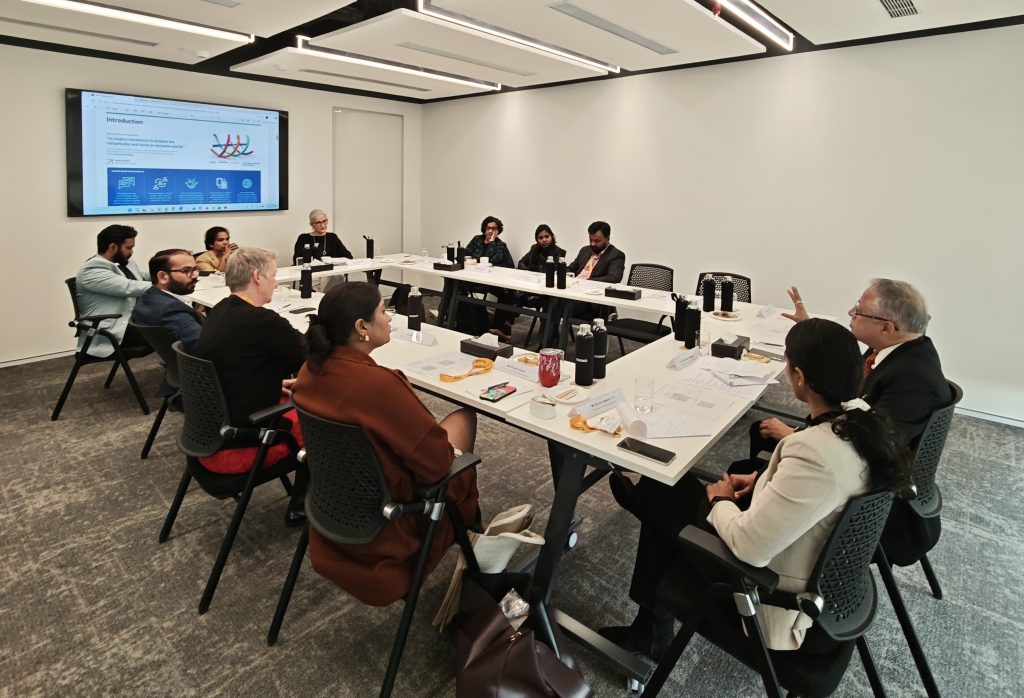
The discussion was peer led, candid and forward thinking. Participants explored how AI is transforming library practice, from information discovery and digital literacy support to research assistance and knowledge management. Conversations also examined the implications for learner engagement, including how students are interacting with AI tools and how libraries can support critical thinking, ethical awareness and responsible use.
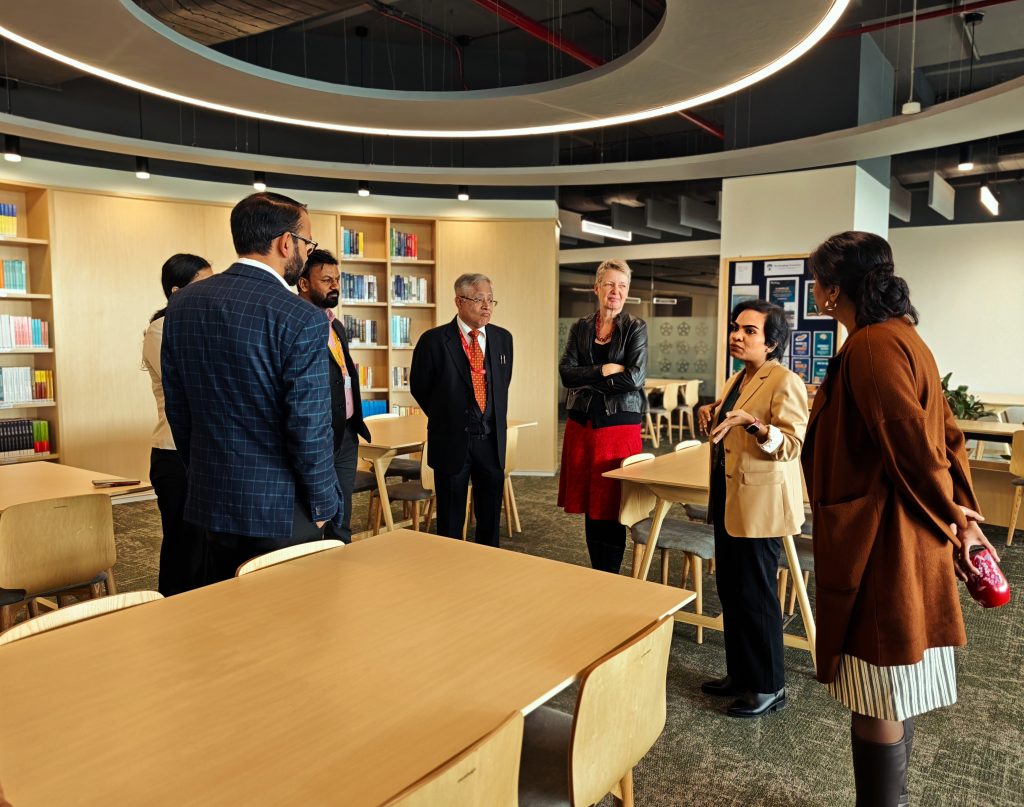
A key theme that emerged was readiness. Not only learner readiness, but institutional readiness. What skills do future graduates need? How can libraries evolve as trusted guides in a landscape shaped by rapid technological change? And how can institutions collaborate rather than operate in isolation? How can AI be used to build a more inclusive world rather than deepening the inequalities. How can we spread awareness about the users on the environmental impact of AI usage?
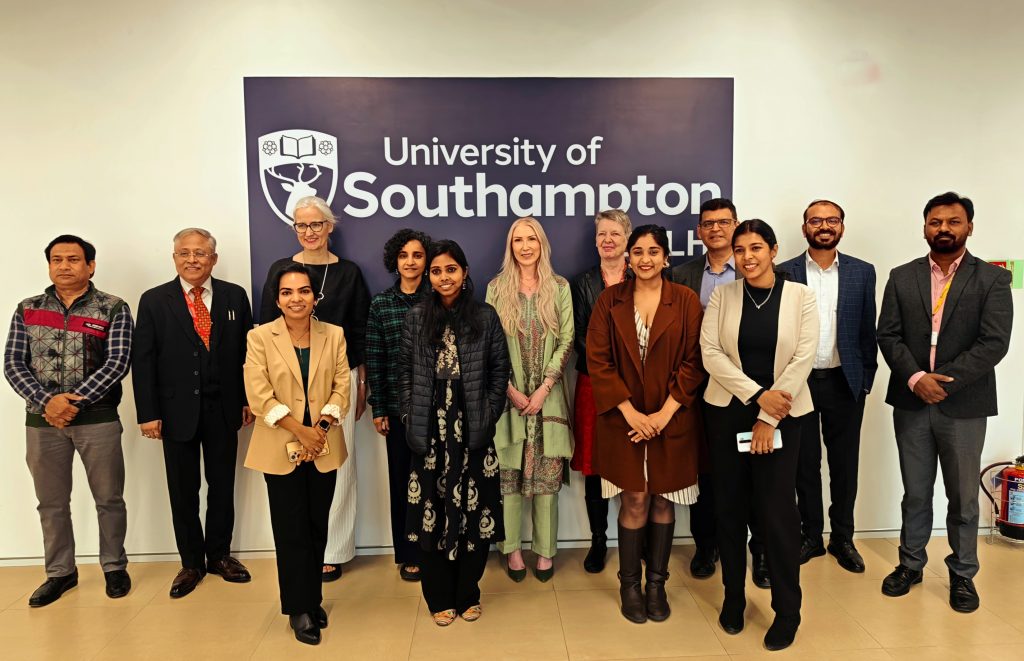
Author: Anupama Saini, Site Librarian at University of Southampton Delhi
Date: Monday 16 February 2026
This article reflects the thoughts, opinions and experiences of the author, and do not necessarily represent the official view of University of Southampton Delhi. You should confirm and check factual information presented in this article before making decisions based on its content.