
My Journey at UoSD: Reflections from an Academic
Dr. Samridhi Suman, Lecturer in Accounting and Finance As an early career academic, I have been driven by a strong desire to learn and grow. Motivated by this aspiration, I joined the University of Southampton Delhi (UoSD) campus to understand and adopt best teaching and curriculum development practices from a Russell Group university, which is […]
Dr. Samridhi Suman, Lecturer in Accounting and Finance
As an early career academic, I have been driven by a strong desire to learn and grow. Motivated by this aspiration, I joined the University of Southampton Delhi (UoSD) campus to understand and adopt best teaching and curriculum development practices from a Russell Group university, which is consistently ranked among the top 100 in the QS World University Rankings. What particularly inspired me was the opportunity to contribute to the formative years of UoSD by helping shape its academic culture from the ground up.
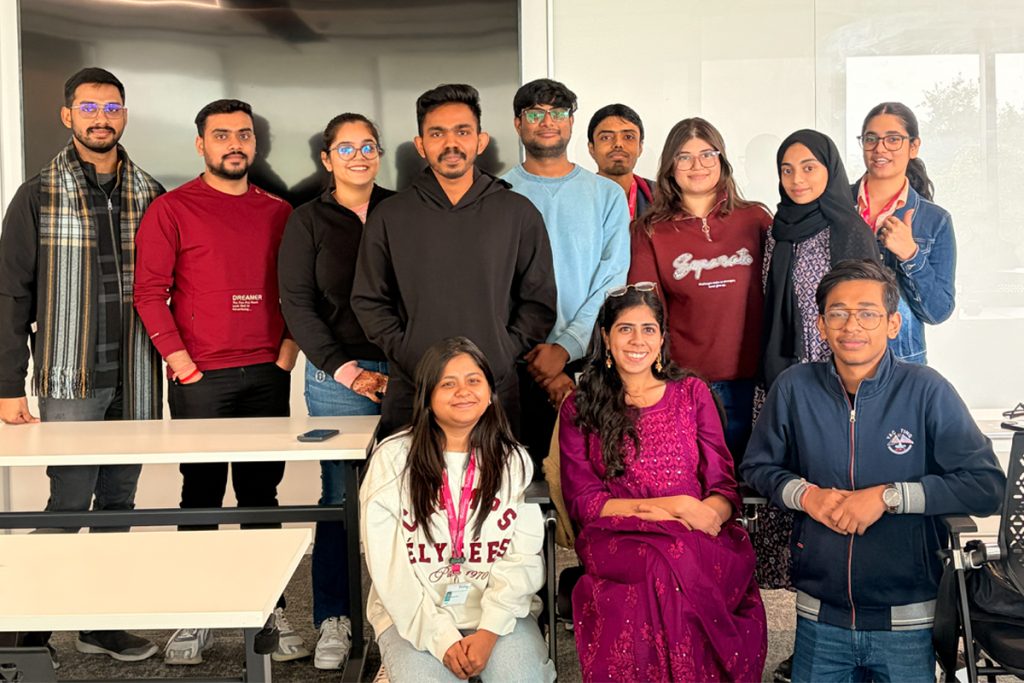
The establishment of the University of Southampton Delhi campus as the first foreign higher educational institution in India has set in motion a metamorphosis of the Indian education landscape. By bringing world-class education directly to Indian students, it offers them access to the same rigorous academic curriculum and standards of excellence that define a Russell Group university. This pioneering initiative ensures that students in India are not only able to pursue and earn an internationally recognized and prestigious degree but also equip them with critical skills that prepare them to excel in a global workforce. I perceive UoSD as a vital bridge between two academic worlds, allowing Indian students to immerse themselves in the richness of UK-based education while remaining in their own country.
Delivering the University of Southampton (UoS) curriculum at the Delhi campus has made me deeply appreciative of its distinctive pedagogical approach. One of the most notable differences lies in the first year, which deliberately takes undergraduate students back to basics by revisiting fundamentals to build a strong and lasting foundation. In the Introduction to Accounting and Finance module that I teach to undergraduate Business School students, I was particularly struck by how thoughtfully the curriculum is designed. It introduces students to the essentials of Financial Accounting, Management Accounting, and Finance in a clear and simple manner, deliberately avoiding unnecessary complexities so that learners could easily grasp the essence of each concept. Across other modules as well, I have observed that they are delivered in ways that differ significantly from traditional teaching methods in India. For example, Management modules encourage students to pause, reflect, and think critically about the underlying issues, requiring them to apply theories discussed in class to their coursework. Similarly, modules on Marketing and Strategy challenge students to use established frameworks to design or recommend appropriate company strategies for a given scenario. This approach fosters a culture of applied learning and strengthens the students’ analytical skills.
The founding cohort of UoSD also realizes the distinctive nature of UK-based education as they navigate a significant shift in teaching pedagogies and assessment styles that are different from the traditional methods they grew up with. However, the university has introduced mechanisms to ease this transition and help students adapt to a relatively new academic culture. The deliberately smaller cohort sizes enable faculty to offer close and individualized attention, fostering an environment where students feel seen, heard, and academically supported. Teaching extends beyond lecture delivery, with seminar sessions dedicated to applying concepts through problem-solving activities, in-depth case discussions, and guided writing practices. In addition, extra support and revision sessions are also organised to address student queries and clarify complex topics. Along with regular feedback,students are also assisted in their coursework through specialized workshops on academic writing and referencing. Perhaps most importantly, I believe that the presence of a dedicated personal tutor provides mentorship and a listening ear, guiding students in every aspect of their university life. Overall, students have expressed appreciation for this holistic support system. They also value how the assessments push them to think differently and meaningfully apply theory beyond the classroom.
My own journey teaching at UoSD mirrors the experience of my students who were also transitioning to a new academic culture. As an academic who has been completely trained and educated in India, it took me considerable time to understand the nuances of the University of Southampton’s degree structure, ranging from differences in academic terminology to assessment and grading practices. Regular training sessions and the generous support of colleagues from UoS UK made this period of adjustment relatively smoother. Yet, as I settled into my teaching responsibilities, I found the intensity of the modules to be particularly demanding. The breadth of content to be covered within a limited timeframe posed significant challenges, especially given that many of my undergraduate and postgraduate students came from non-accounting backgrounds. This concern required me to strike a careful balance between the timely completion of the syllabus and ensuring that students developed a thorough understanding of the concepts and methods needed to solve problems. Consequently, I conducted additional classes to explain the topics in greater detail and provide students with sufficient space and time to grasp them. Reflecting on these first-term experiences, I realize that the challenges I encountered have become an important learning curve. They have also prompted constructive discussions on the potential inclusion of introductory workshops during the welcome week to introduce basic terminologies to better support incoming students.
The underlined challenges and extended hours of teaching were more than compensated by the active engagement and cooperation extended by the students during this time. Their sustained participation made the additional sessions worthwhile and enjoyable. I believe that maintaining a steady pace of lectures, complemented by these extra classes, helped establish a sound conceptual foundation, particularly for non-accounting students who benefited from the gradual and structured approach. Students also appreciated the way complex concepts were broken down and delivered in a simplified, easy-to-understand manner, which enhanced their overall learning experience.
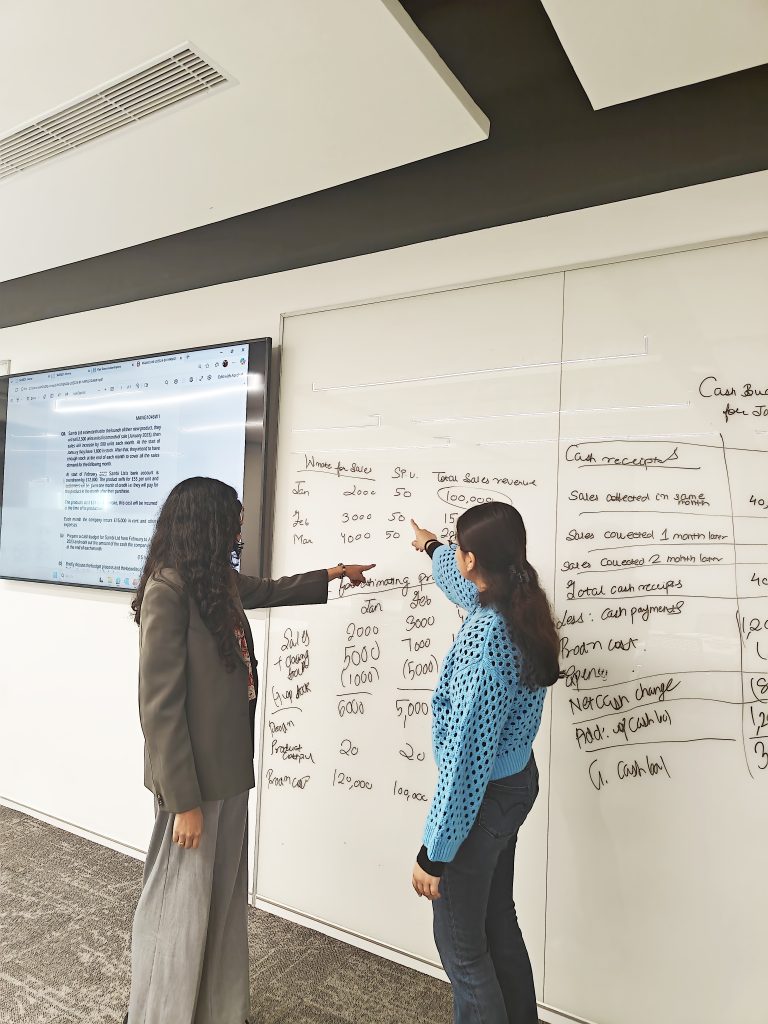
Overall, my journey at the University of Southampton Delhi till now has been nothing short of transformative. Like any meaningful experience, it has had its ebbs and flows, but what remained constant and deeply inspiring were the people who made the journey far less daunting. From the very beginning, the initial staff at UoSD have worked tirelessly and arm in arm to ensure a smooth and supportive campus experience for everyone. The generous guidance and time extended by colleagues at UoS UK has been equally instrumental in helping us establish a strong foundation for this campus. The leadership at UoSD has also always been approachable, ensuring that student and staff voices are well heard. Finally, the students of UoSD, beyond their academic commitments, have played an essential role in shaping and enriching the campus too. In summary, while this journey has honed my academic skills and taught me the practical realities of transnational education, it has more importantly reinforced the values of teamwork, collaboration, receptiveness, and stepping up when needed. These are the key learnings I will carry forward well beyond this chapter.
Overview of the author
Dr. Samridhi Suman works at University of Southampton Delhi as Lecturer in Accounting and Finance. Before joining University of Southampton Delhi, Dr. Suman used to work as an Assistant Professor at OP Jindal Global University. She completed her PhD in Finance in 2024 from Department of Management Studies, Indian Institute of Technology Delhi (IITD). She also holds an undergraduate and postgraduate degree in Commerce from University of Delhi.
Author: Dr. Samridhi Suman, Lecturer in Accounting and Finance at University of Southampton Delhi
Date: Monday 5 January 2026
This article reflects the thoughts, opinions and experiences of the author, and do not necessarily represent the official view of University of Southampton Delhi. You should confirm and check factual information presented in this article before making decisions based on its content.