
Why transnational universities in India are a game changer for Indian students
Transnational universities in India are transforming the future of higher education by bringing global learning experiences closer to home. We are living in an age of unprecedented global connection. Borders are becoming increasingly fluid, ideas travel faster than ever, and the future workforce is no longer defined by geography alone. In this context, transnational universities […]
Transnational universities in India are transforming the future of higher education by bringing global learning experiences closer to home. We are living in an age of unprecedented global connection. Borders are becoming increasingly fluid, ideas travel faster than ever, and the future workforce is no longer defined by geography alone. In this context, transnational universities are not just an opportunity for India, they are a powerful advantage.
For too long, education systems across the world have operated in silos. While academic rigour remains essential, students today need far more than textbooks and exams. They need exposure, adaptability, collaboration and a global worldview. These are the skills required not just to participate in the world, but to lead it.
Welcoming transnational universities into India allows us to bring global best practices, international expertise and diverse perspectives directly to our students. These are the very reasons thousands of Indian students choose to study abroad every year. They seek freedom of thought, flexibility in learning and the richness that experienced global faculty bring to the classroom. If we can offer this within our own country, we create a future that is both globally competitive and deeply rooted in India.
Building a generation that shapes a new India
When students gain exposure to global best practices without leaving home, something powerful happens. They remain connected to the country, understand its realities and are better positioned to contribute meaningfully to its growth. This is the generation that will build the India of tomorrow, the Viksit Bharat we often speak about.
These students are confident, curious and eager to engage with the world. They are not afraid to ask questions or challenge ideas. With the right facilities, faculty and learning environment, they develop a well rounded worldview and the confidence to approach industry with clarity and purpose. This confidence does not appear overnight. It is shaped by progressive campuses, collaborative learning and an education model that values critical thinking over rote learning.
Experiencing such institutions firsthand makes it clear how different this approach is from the more conservative systems many of us grew up with. These campuses feel modern, professional and aligned with global standards. Students emerge polished, articulate and ready to engage with real world challenges.
Strengthening the bridge between industry and academia
One of the most impactful ways to prepare students for the future is through meaningful collaboration between industry and academia. Learning accelerates when students work on real problems rather than hypothetical ones.
Industries can play a vital role by offering live projects, real problem statements, mentorship opportunities, internships and collaborative challenges similar to hackathons. These experiences allow students to understand how the real world operates and how their skills translate beyond the classroom.
There is no better teacher than real world experience. Students bring fresh perspectives, unfiltered ideas and creative thinking that has not yet been constrained by organisational structures. When industries listen to these ideas, credit them and implement them where possible, everyone benefits. Organisations gain innovation and students gain confidence and relevance.
Bringing young minds closer to the workplace creates a two way exchange of value. Academia stays aligned with industry needs and organisations remain open to new ways of thinking.
Navigating a connected world with a human touch
This generation has grown up with the internet. Information is instant, access is limitless and connectivity is constant. Harnessing this power effectively is one of the most important skills students can develop.
Yet, despite all the technology available, the power of human connection has never been more important. Relationships with professors, industry experts and peers continue to shape careers and personal growth. Technology should amplify these connections, not replace them.
Students should use the internet to reach out, build networks, showcase their work and show up consistently in both professional and personal spaces. At the same time, they must learn to filter out negativity and misinformation. Not everything online is accurate or constructive, and discernment is key.
Growth mindset, hustle and responsibility
Change today is rapid and constant. The best way to stay ahead is by developing a growth mindset. Students who are willing to learn continuously, take risks and work hard are the ones who thrive.
Organisations are increasingly focused on creating inclusive and supportive environments for young talent. However, students also need to take responsibility for their own growth. Showing initiative, staying curious and being open to trying new things makes a significant difference.
Being raised in a digital world does not mean everything comes easily or instantly. Success still requires effort, resilience and discipline. Hustle matters. So does humility and the willingness to learn from failure.
Making the most of these formative years
College is one of the most transformative phases of life. It is a time of independence, strong opinions, ambition and boundless energy. With the right infrastructure, academic freedom and collaborative culture, students are given a rare opportunity to shape who they want to become.
This is the time to build friendships and connections that last well beyond three or four years. These relationships often become professional networks, support systems and partnerships for future ventures.
There is also immense fulfilment in contributing beyond oneself. Whether through community projects, social initiatives or small efforts to create positive change, giving back builds purpose and perspective. Even small contributions can move the needle and fuel long term ambition.
Looking ahead with optimism
As a nation, the hope is to see more entrepreneurs emerge, particularly social entrepreneurs who combine innovation with impact. This next generation has the potential to take India to the next level, not just economically but socially and culturally.
The world belongs to those who are studying, building and dreaming today. Watching this generation grow, innovate and lead will be one of the most exciting journeys to witness.
And I, for one, look forward to watching from the sidelines as they shape the future of this country.
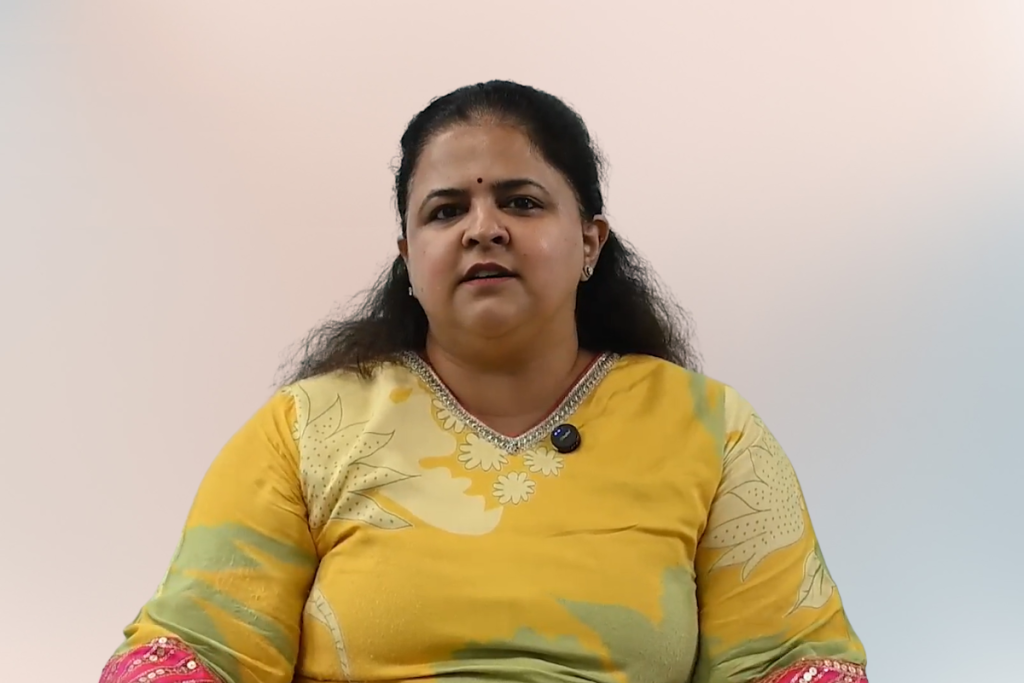
Author: Shipra Bhalla Chowdhary, Sr Director-Government Affairs at SAP India Pvt Ltd and guest speaker at the University of Southampton Delhi
Date: Monday 07 April 2026
This article reflects the thoughts, opinions and experiences of the author, and do not necessarily represent the official view of University of Southampton Delhi. You should confirm and check factual information presented in this article before making decisions based on its content.